IVORY
A carved luxury
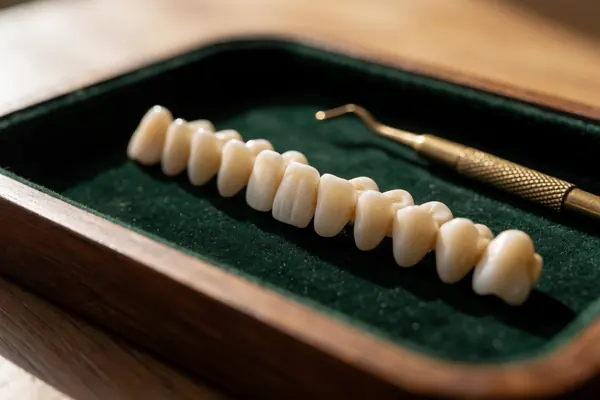
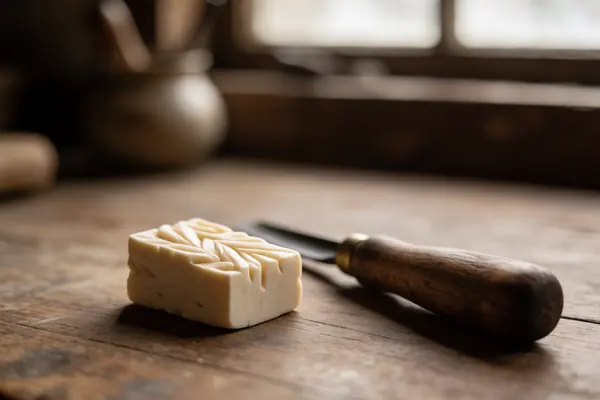
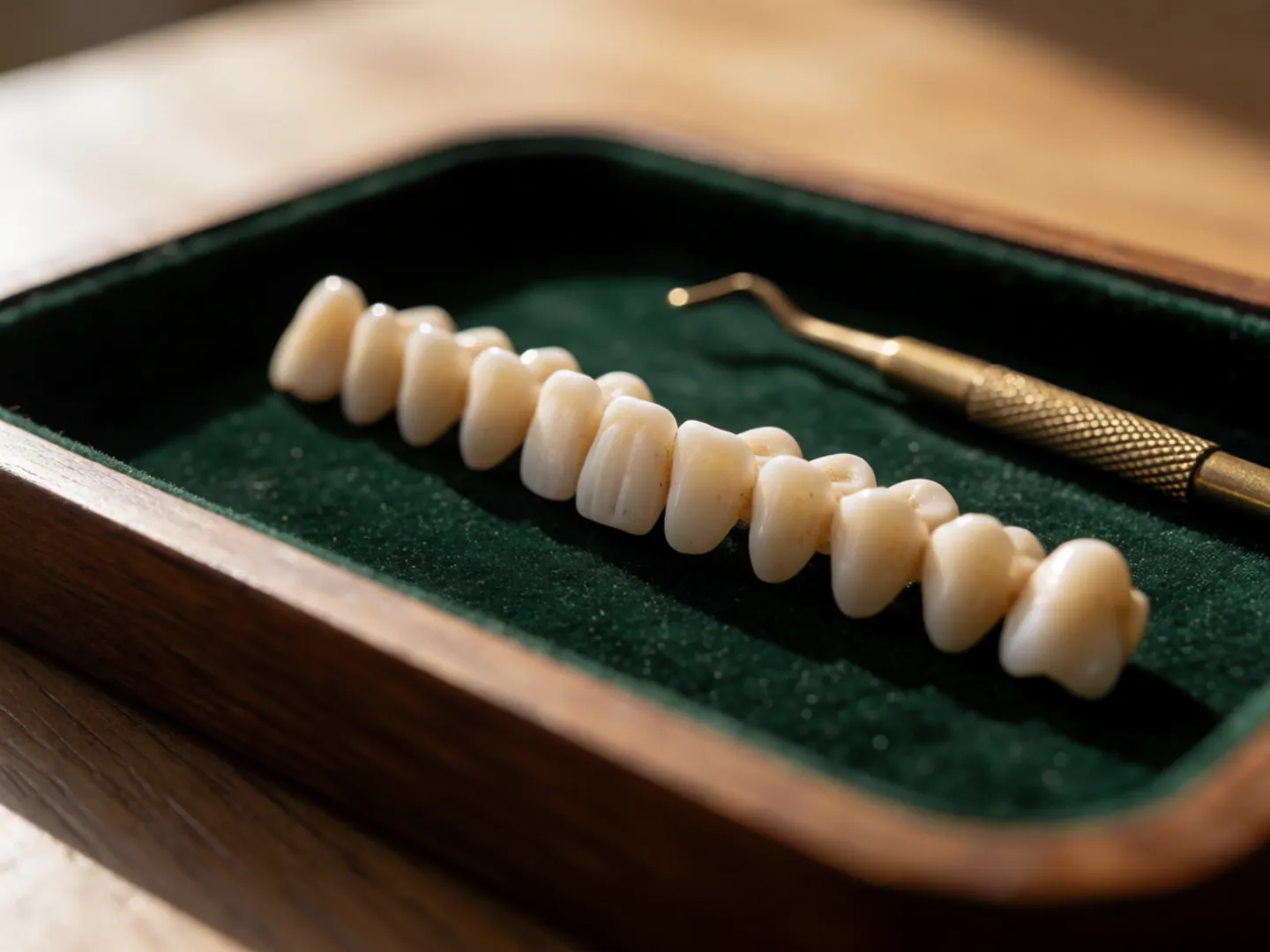
Early dentures were made of wood with teeth carved from bone or hippopotamus ivory. They were made by craftspeople, fitted poorly and were only within reach of the wealthy.
Compare the materials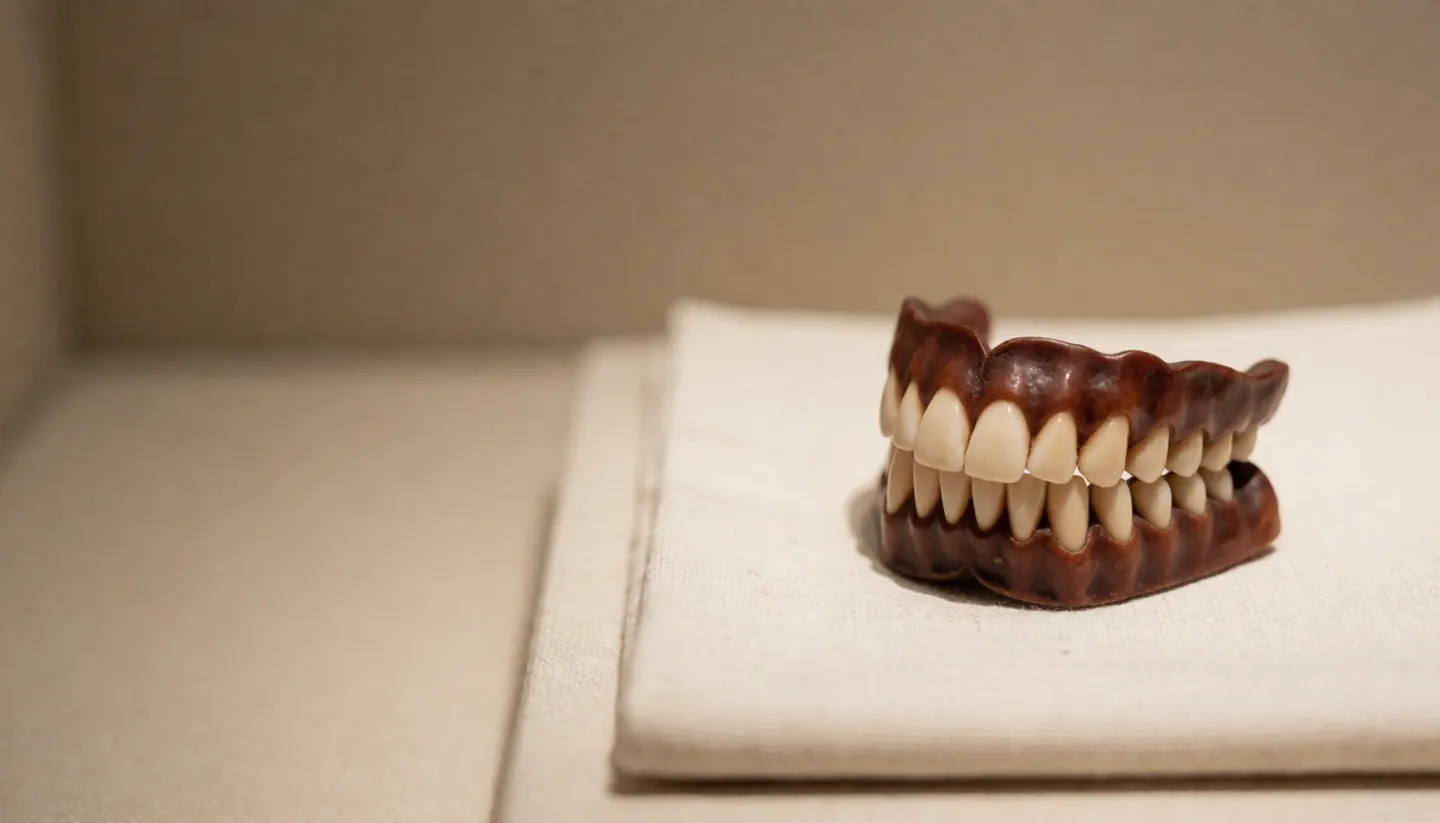
 tabdent
A SHORT HISTORY OF FALSE TEETH
IVORY TO RUBBER three centuries of smiles
False teeth are older than dentistry as we know it.
For centuries they were carved by craftspeople from bone and ivory, sometimes fitted with real human teeth. Then a rubber patent changed who could own a set. This is an independent history guide built from museum and archive sources.
Updated
Pick a materialTHE SHORT ANSWER
Each new material changed how a set fitted,
how it looked and who could afford one.
IVORY
Early dentures were made of wood with teeth carved from bone or hippopotamus ivory. They were made by craftspeople, fitted poorly and were only within reach of the wealthy.
Compare the materialsPORCELAIN
French dentists turned to porcelain in the 1770s. By 1820, porcelain teeth were being mounted on 18-carat gold plates with gold springs and swivels.
See the datesVULCANITE
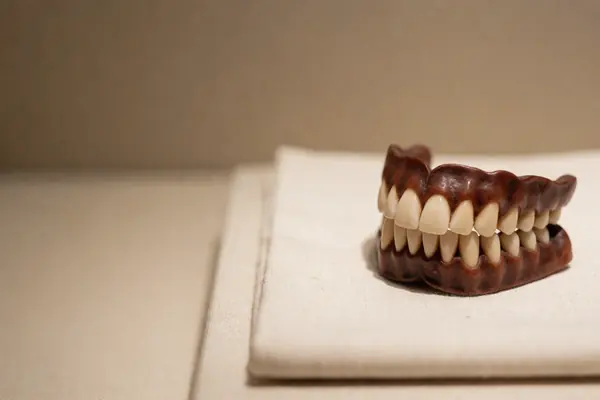
Vulcanite, a hardened rubber, could be moulded to each mouth. With porcelain teeth set into it, dentures became widely available in the late 1800s.
Follow the timelineGeneral information only, not medical advice. For advice about your own health, speak to a doctor, pharmacist or other qualified health professional.
A QUICK MATERIALS CHECK
Pick a material to see when it was used and who could get it. The bar shows how widely available dentures of that kind were, according to the sources.
History only. For dentures today, the NHS dentures page and a dentist are the places to go; this page is not dental advice.
TWO NUMBERS WORTH KNOWING
One date for how far back false teeth go,
one for how badly even the best sets once fitted.
≈ 700 BC
Etruscan false teeth date back to
The Etruscans of ancient northern Italy made false teeth from human or animal teeth around 700 BC. They did not last long but stayed the basic approach until the 1700s.
THE FIRST SETS · DENTAL PRODUCTS REPORT
1 tooth
Real teeth left when Washington took office in 1789
His dentures were hippopotamus ivory with human teeth, gold wire springs and brass screws. None of them were wooden, despite the legend, and he complained they were uneasy in the mouth.
A PRESIDENT'S MOUTH · MOUNT VERNON
The only complete set of George Washington's dentures that still survives is held at Mount Vernon. It contains human teeth, probably horse and cow teeth, and lead, tin, copper and silver alloys.
FOUR STEPS ON THE TIMELINE
The big changes came from materials: something that would not decay, and something that could be moulded to an individual mouth.
False teeth made from human or animal teeth. They wore out quickly but stayed the standard for centuries.
Walrus, elephant and hippopotamus ivory bases, the best fitted with real human teeth. Expensive, and made by craftspeople.
French dentists tried one-piece porcelain sets. In 1820 Claudius Ash mounted porcelain teeth on gold plates.
Porcelain teeth set in moulded hardened rubber. In the 20th century acrylic resin and other plastics took over.
THE RUBBER PATENT
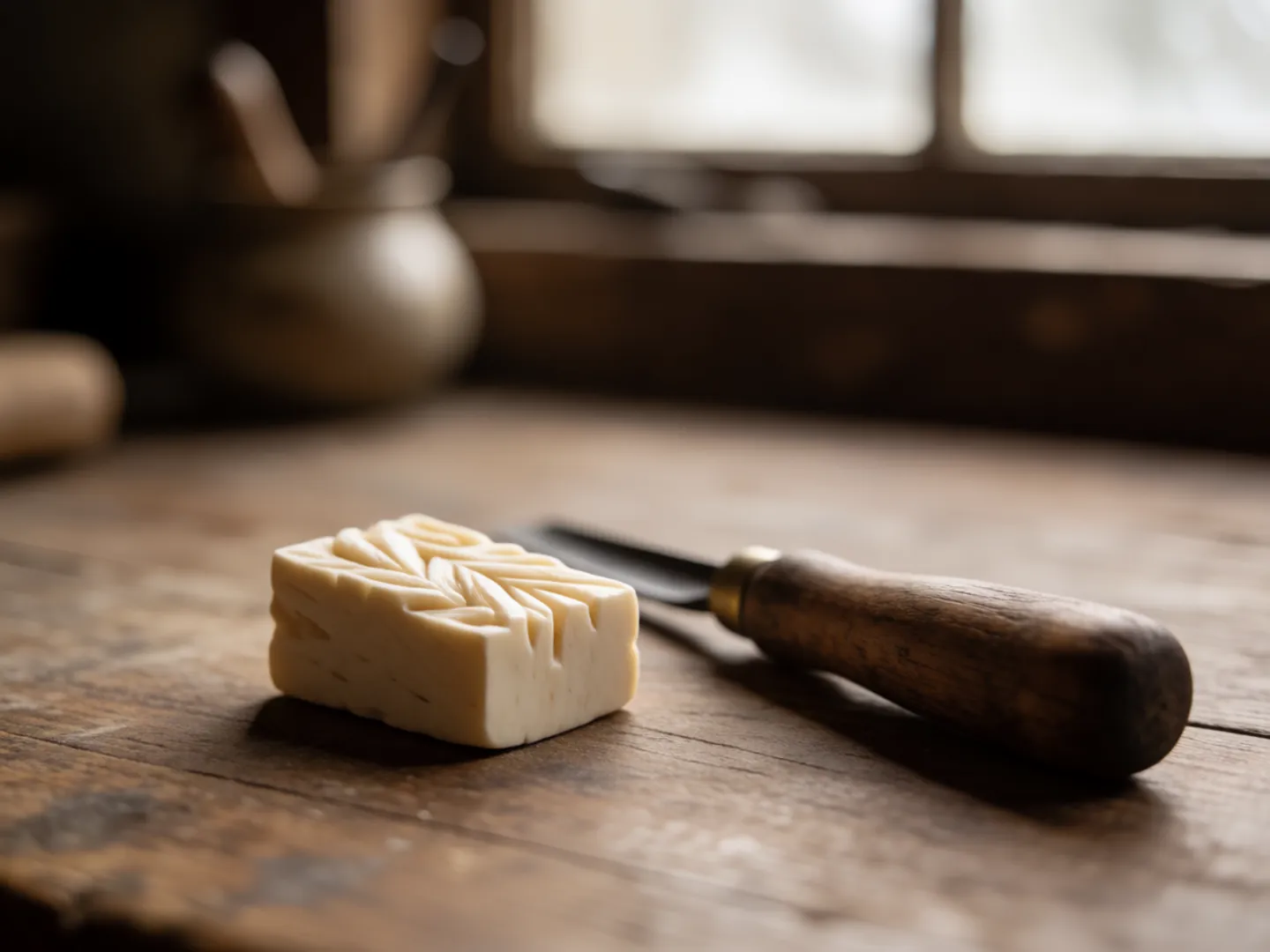
Charles Goodyear perfected vulcanising rubber in 1839 and patented related products in 1851. The original patent expired in 1861, but a patent covering vulcanite dentures was taken out in 1864 and dentists were charged yearly fees and royalties on every set.
The collector, Josiah Bacon, was shot dead in San Francisco in 1879 by a dentist he had taken to court. Afterwards the company stopped enforcing the patent, prices fell and dentures reached ordinary people. English museum sets from 1880 to 1940 show the result: porcelain teeth on vulcanite plates.
Questions
Some early dentures had wooden bases, with teeth carved from bone or hippopotamus ivory. But the famous story that George Washington wore wooden teeth is a legend: Mount Vernon says none of his false teeth were made of wood.
Real human teeth used in high-quality dentures, set into an ivory base. They were taken from the dead, including soldiers after the Battle of Waterloo in 1815, or bought from poor people who sold their teeth for money.
Ivory and natural teeth decay and stain. From the 1770s French dentists used porcelain, which did not rot, although early porcelain sets were brittle and shrank when fired.
A hard rubber made by vulcanising, a process Charles Goodyear perfected in 1839. It could be moulded to fit an individual mouth, then hardened. It was a dark reddish brown, so porcelain was used for the teeth and visible gums.
In the 20th century acrylic resin and other plastics replaced vulcanite. The NHS says today's dentures are made from a mould or scan of the mouth, and that a dentist can explain the options; this page is history, not dental advice.
Sources
ABOUT THIS NAME
tabdent.com is part of the DoodleSale portfolio. It isn't in an auction right now, but you can ask about leasing it.